
Introduction to Lemon Bundt Cake
If you're a young professional juggling a busy schedule, the lemon bundt cake is the perfect baking project for you! With an impressive presentation and irresistible flavor, this cake not only satisfies your sweet tooth but also serves as a delightful centerpiece for any gathering.
Making a lemon bundt cake is surprisingly straightforward. In just a little over an hour, you can whip up a moist, tangy treat that brightens up your afternoon or elevates your weekend brunch. Plus, it’s a great way to use up those ripe lemons sitting on your countertop. Your friends and coworkers will be impressed when you bring this cake to the office or your next gathering.
What makes this recipe a winner? It combines easy preparation with vibrant flavors. The buttery texture and zesty lemon glaze offer the perfect balance of sweetness and tanginess, making it a hit among everyone. For more insights about the benefits of baking, you may want to check out this article on the positive effects of baking and how it can serve as a stress-reliever.
So, roll up your sleeves and get ready to create a show-stopping lemon bundt cake. Your taste buds will thank you!
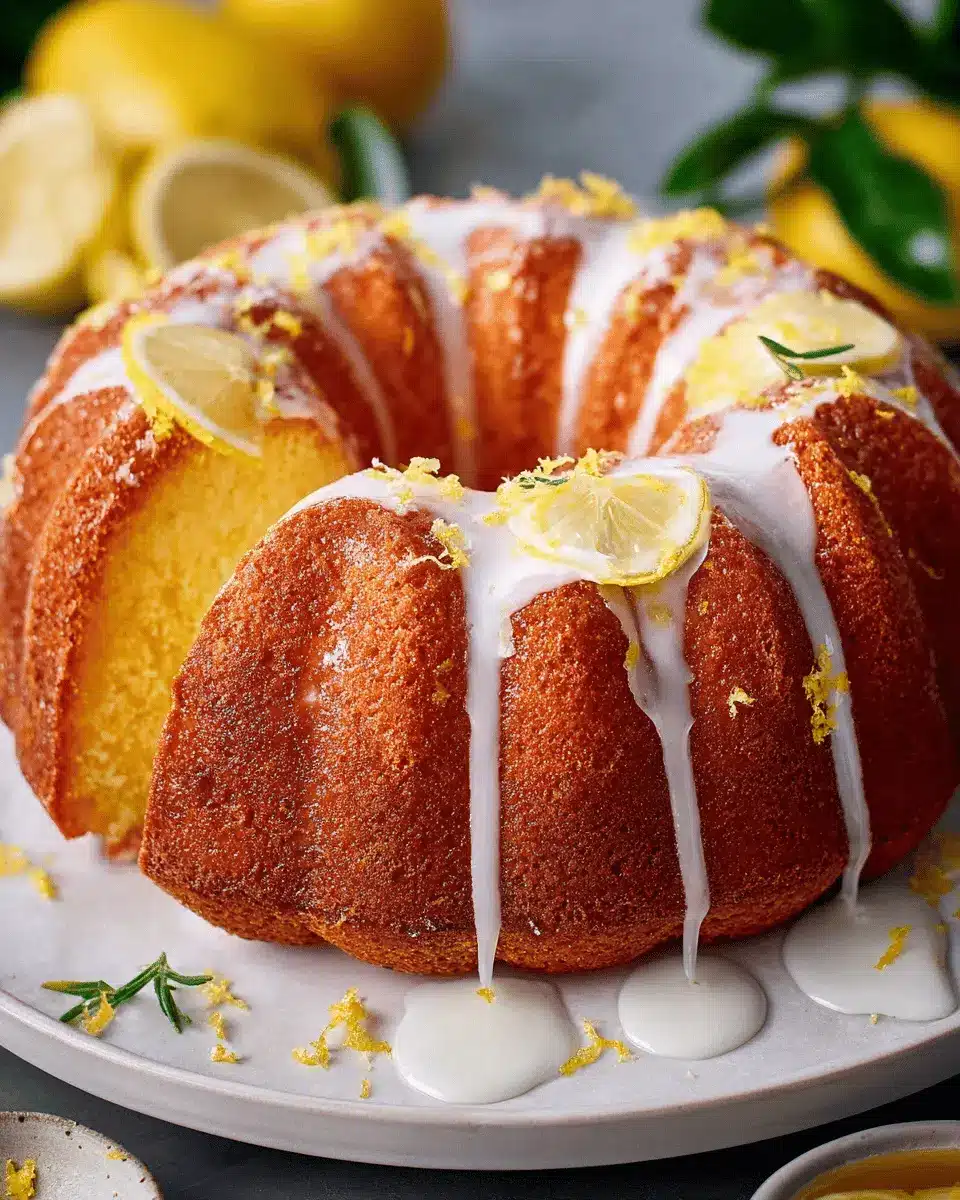
Ingredients for Lemon Bundt Cake
Creating a lemon bundt cake that’s bursting with zesty flavor requires some essential ingredients, as well as key elements for the perfect glaze. Let’s break them down so you can gather everything you need!
Essential ingredients for the cake
For a moist and flavorful cake, you'll need:
- All-purpose flour – 1 ½ cups
- Cake flour – 1 ½ cups
- Baking powder – 2 teaspoons
- Fine sea salt – 1 teaspoon
- Granulated sugar – 2 ½ cups
- Fresh lemon zest – 4 tablespoons (from about 6 lemons)
- Fresh lemon juice – 4 tablespoons (from about 2 lemons)
- Large eggs – 8, at room temperature
- Sour cream – ½ cup, at room temperature
- Unsalted butter – 4 sticks, melted and cooled
Each ingredient plays a vital role in achieving that dreamy texture and vibrant lemon essence.
Ingredients for the lemon glaze
To elevate your lemon bundt cake with a delightful finish, gather these glaze components:
- Powdered sugar – 2 ½ cups
- Fresh lemon juice – 2 tablespoons
- Milk or cream – 2 tablespoons
This simple yet tangy glaze adds a refreshing touch that complements the cake beautifully. If you’ve never made a glaze before, it’s as easy as whisking these ingredients together until they reach a perfect pourable consistency.
Now that you have the necessary ingredients, you're one step closer to baking a show-stopping cake! For more tips and tricks on baking, consider checking out the Baking Basics guide from King Arthur Baking. Happy baking!
Preparing Lemon Bundt Cake
Baking can be an incredibly rewarding experience, and nothing says "fresh" quite like a lemon bundt cake. With its bright citrus flavor and moist texture, this cake is sure to impress. Let’s walk through the simple steps of making your own delicious lemon bundt cake.
Gather Your Ingredients
Before we start mixing, it’s essential to gather all your ingredients. Here’s what you’ll need for the cake:
-
Dry Ingredients:
-
1 ½ cups all-purpose flour
-
1 ½ cups cake flour
-
2 teaspoons baking powder
-
1 teaspoon fine sea salt
-
Wet Ingredients:
-
2 ½ cups granulated sugar
-
4 tablespoons fresh lemon zest (about 6 lemons)
-
4 tablespoons fresh lemon juice (about 2 lemons)
-
8 large eggs, at room temperature
-
½ cup sour cream, at room temperature
-
4 sticks unsalted butter, melted and cooled
-
For the Glaze:
-
2 ½ cups powdered sugar
-
2 tablespoons fresh lemon juice
-
2 tablespoons milk or cream
Having everything ready in one place makes the process smoother and so much more enjoyable.
Prepare the Dry Ingredient Mixture
Start by preheating your oven to 350°F (175°C). In a large mixing bowl, sift together the all-purpose flour, cake flour, baking powder, and sea salt. Sifting is crucial as it ensures that the leavening agents are evenly distributed and that your cake turns out light and fluffy. Set this mixture aside; we'll come back to it shortly.
Combine the Wet Ingredients
Next, let’s focus on the wet ingredients. If you have a food processor or high-speed blender, it’s your best friend for this step. Combine the sugar and lemon zest in the bowl of the food processor and pulse a few times. This action releases the essential oils in the zest, intensifying that fresh lemon flavor.
Add the lemon juice, eggs, and sour cream, then blend until well combined. While mixing on low speed, slowly drizzle in the melted butter. This gradual process will emulsify your wet mixture, lending a rich consistency to your cake batter.
Mix Wet and Dry Ingredients
Now comes the fun part! Make a well in the center of your dry ingredient mixture and pour in the wet ingredients. Using a rubber spatula, gently fold the mixture until it’s just combined. Be cautious not to over-mix; the batter will be slightly thin, which is perfectly normal for a lemon bundt cake.
Prepare the Bundt Pan
Next, it’s crucial to prepare your bundt pan properly. Generously grease a 10 or 12-cup bundt pan with nonstick cooking spray or melted shortening. Make sure to coat all the intricate details of the pan—this will help your cake release easily after baking.
Once greased, immediately pour in your cake batter, ensuring it reaches all corners of the pan.
Bake the Lemon Bundt Cake
Place your bundt pan in the preheated oven and allow it to bake for about 50 to 60 minutes. The cake is ready when a toothpick inserted into the center comes out clean or with just a few moist crumbs attached. Resist the temptation to open the oven door too early, as this can cause the cake to collapse.
Cool and Prepare the Glaze
After baking, let the cake cool in the pan for 15 to 20 minutes. Then, gently run a knife around the edges to loosen it, and invert it onto a wire rack to cool completely.
While waiting for it to cool, prepare the glaze by whisking together the powdered sugar, lemon juice, and milk or cream until it reaches a thick but pourable consistency. Adjust as needed by adding more lemon juice or powdered sugar to achieve your desired thickness.
Once the cake is cool, drizzle the glaze over it, and let it set for about 15 minutes before slicing. This gives your lemon bundt cake that professional bakery look and ensures the glaze adheres beautifully.
And there you have it—a delightful lemon bundt cake that not only tastes fantastic but also looks like a showstopper for any gathering! Happy baking!

Variations on Lemon Bundt Cake
If you love the bright flavors of a classic lemon bundt cake, you’ll be excited to explore these delightful variations that bring their own twist to this beloved dessert!
Lemon Blueberry Bundt Cake
Imagine a moist lemon bundt cake complemented by the sweetness of fresh blueberries. This delicious variation adds 1 to 1.5 cups of blueberries into your batter before baking. The blueberries not only enhance flavor but also provide a lovely burst of color. To take it even further, consider serving with a dollop of whipped cream or a scoop of vanilla ice cream.
Lavender Lemon Bundt Cake
For a sophisticated twist, try a lavender lemon bundt cake. Just add about 1 tablespoon of culinary lavender to your dry ingredients for an enchanting floral note that pairs perfectly with lemon. This unique flavor combination can transport you to a sunlit garden with every bite. Drizzle with the same lemon glaze to maintain that refreshing zing.
When experimenting with these variations, don't forget to share your own twists and findings! Could lavender or blueberry be your new favorite? The possibilities are endless!
Cooking Tips and Notes for Lemon Bundt Cake
Importance of Room Temperature Ingredients
Using room temperature ingredients is crucial for achieving an ultra moist and tender lemon bundt cake. When eggs, butter, and sour cream are at room temperature, they blend more easily, creating a smoother batter and promoting better rise during baking. To speed up the process, simply place your eggs in warm water for about 10 minutes and let your butter sit out while you prepare the other ingredients.
Greasing the Bundt Pan Effectively
To ensure a flawless release, generously grease your bundt pan with nonstick cooking spray or melted shortening. Use a pastry brush to spread the grease into every nook and cranny, which will help prevent sticking and keep your lemon bundt cake intact. Don't rush this step; a well-greased pan is your best friend! For more tips on proper cake preparation, check out this guide.
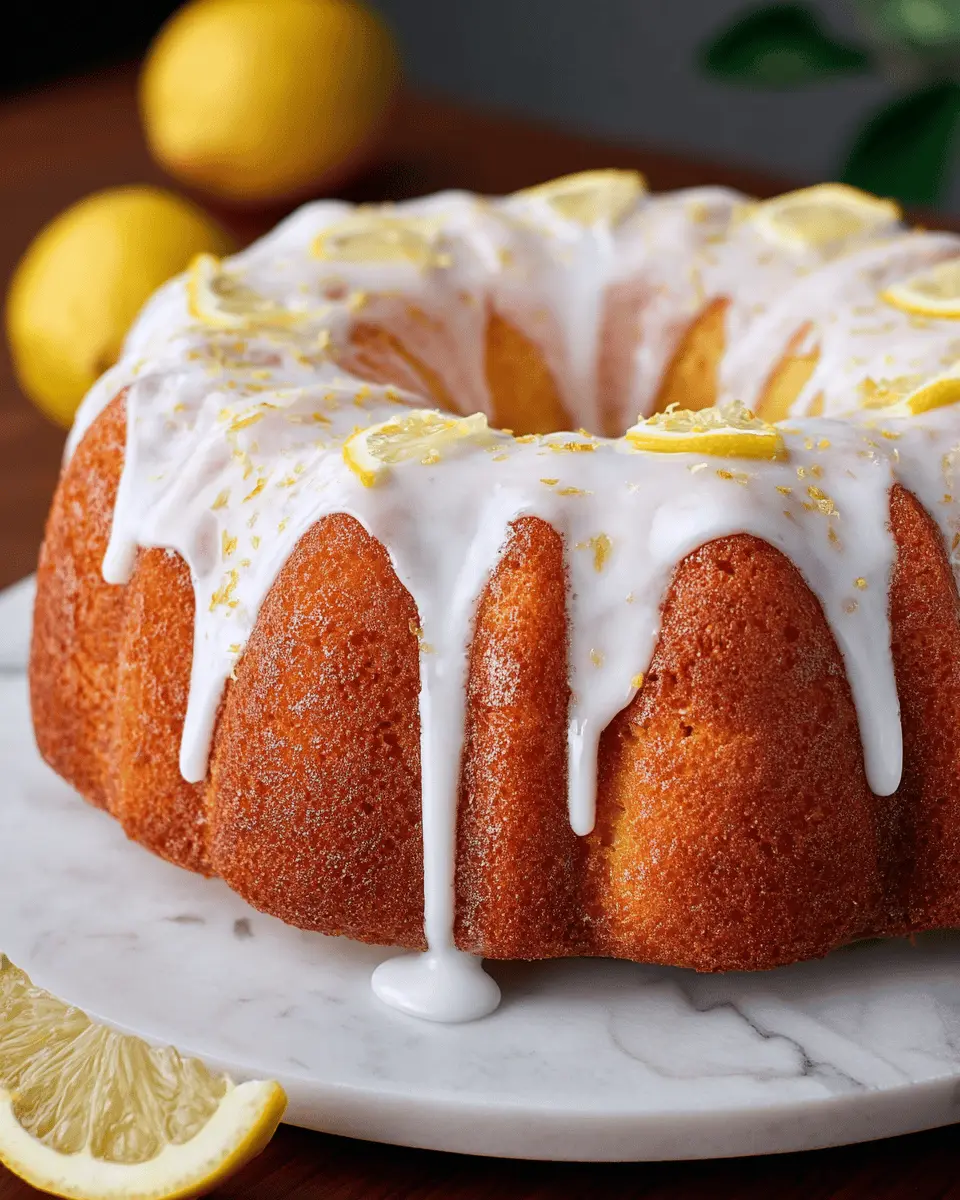
Serving Suggestions for Lemon Bundt Cake
Pairing with Fresh Berries
One of the best ways to elevate your lemon bundt cake is by serving it alongside fresh berries. Think vibrant strawberries, blueberries, or raspberries — their natural sweetness and slight tartness complement the cake's zesty flavor. Scatter them on the plate, or serve them in a small bowl for an added touch. This not only makes your dessert look stunning but also adds a refreshing element that makes each bite delightful.
Serving with a Dollop of Whipped Cream
Another simple yet elegant touch is a dollop of fluffy whipped cream. This creamy layer adds richness that balances the bright zing of the lemon bundt cake. You could even flavor your whipped cream with a hint of vanilla or lemon zest to echo the cake’s flavors. Whether you spread it atop each slice or serve it on the side, it’s sure to impress your guests — and let’s be honest, who doesn’t love a little whipped cream?
For extra inspiration, check out Food Network for more serving ideas and pairing suggestions!
Time Breakdown for Lemon Bundt Cake
When you're ready to whip up this delightful lemon bundt cake, here's how your time will break down:
Preparation Time
Spend about 20 minutes gathering ingredients, mixing your batter, and preparing your bundt pan. Quick and straightforward!
Baking Time
This beauty will take about 1 hour in the oven, allowing the lemon flavors to mingle and develop.
Total Time
In just 1 hour and 20 minutes, you can go from ingredients to a delicious cake ready to be enjoyed. That’s just enough time for a quick coffee break while it bakes!
Looking for more tips on perfecting your baking skills? Check out this article for expert advice and techniques. And don't forget to share your baking adventures on social media - your friends will definitely want a slice of your yummy lemon bundt cake!
Nutritional Facts for Lemon Bundt Cake
When you're indulging in a delicious lemon bundt cake, it's helpful to know its nutritional profile. Here's a brief overview:
Calories
One slice (approximately 1/14th of the cake) contains around 400 calories. This makes it a rich treat, perfect for special occasions!
Total Fat
Each slice has about 18 grams of total fat. Most of this comes from the butter, which contributes to the cake’s moist, tender texture.
Sugar Content
A slice of this delightful cake packs approximately 30 grams of sugar. The sweetness, paired with the zingy lemon flavor, makes it irresistible.
Understanding these numbers helps you savor your cake mindfully! For more tips on enjoying desserts in moderation, check out Nutrition.org for guidance on healthier eating habits.
FAQ about Lemon Bundt Cake
What makes a bundt cake different from a regular cake?
Bundt cakes stand out due to their unique shape, often featuring a central tube that ensures even cooking. This design creates beautiful ridges that make the cake visually appealing and adds texture. Additionally, the dense batter typical of a lemon bundt cake helps maintain moisture, resulting in a tender cake that’s incredibly satisfying to eat.
How can I keep my lemon bundt cake moist?
To ensure your lemon bundt cake stays perfectly moist, consider these tips:
- Use room temperature ingredients for better emulsification.
- Don’t overmix the batter; gentle folding helps to retain air for fluffiness.
- Adding sour cream or yogurt contributes to moisture and richness.
- Consider covering your cake during the cooling process to trap steam.
Can I freeze lemon bundt cake?
Yes, freezing a lemon bundt cake is entirely possible! Wrap the cooled cake tightly in plastic wrap, and then place it in an airtight container or a freezer bag. It can be frozen for up to three months. When ready to enjoy, simply thaw it in the fridge overnight, and add the glaze before serving. For more tips on storing baked goods, check out resources from King Arthur Baking.
Conclusion on Lemon Bundt Cake
In summary, this lemon bundt cake is an impressive yet simple dessert that brings a burst of citrus flavor to any gathering. Its moist texture and delightful glaze make it a crowd-pleaser. Whether it’s a birthday, brunch, or just because, this cake is sure to brighten your day!

Lemon Bundt Cake
Equipment
- 10 or 12-cup bundt pan
- mixing bowl
- food processor or blender
- rubber spatula
- wire rack
- whisk
Ingredients
For the cake
- 1.5 cups all-purpose flour 191 grams
- 1.5 cups cake flour 170 grams
- 2 teaspoons baking powder
- 1 teaspoon fine sea salt
- 2.5 cups granulated sugar 500 grams
- 4 tablespoons fresh lemon zest from about 6 lemons
- 4 tablespoons fresh lemon juice from about 2 lemons
- 8 large eggs at room temperature
- 0.5 cups sour cream at room temperature, alternatively use full-fat unsweetened plain yogurt
- 4 sticks unsalted butter melted and cooled, 452 grams
For the glaze
- 2.5 cups powdered sugar 313 grams
- 2 tablespoons fresh lemon juice
- 2 tablespoons milk or cream
Instructions
Make the cake
- Preheat the oven to 350°F.
- In a large mixing bowl, sift together the all-purpose flour, cake flour, baking powder, and salt. Set aside.
- In the bowl of a food processor or high-speed blender, combine the sugar and lemon zest. Pulse a few times to evenly distribute the zest. Add the lemon juice, eggs, and sour cream and pulse until combined. On low speed, gradually drizzle in the melted and cooled butter in a slow steady stream until well combined.
- Make a well in the center of the dry ingredient mixture. Pour in the wet ingredients. Mix gently with a rubber spatula until just combined. Batter will be slightly thin.
- Grease a 10 or 12-cup bundt pan generously with baker’s nonstick cooking spray, such as Baker’s Joy, or melted shortening. Use a pastry brush to spread the spray into every nook and cranny of the pan. Immediately pour in the batter.
- Bake until a toothpick inserted into the center comes out clean or with just a few moist crumbs attached, about 50 to 60 minutes.
- Cool in pan for 15 to 20 minutes, then run a thin flexible knife around the edges before inverting onto a wire rack. Cool completely.
Make the glaze
- In a small bowl, whisk together the glaze ingredients until thick but pourable. Add more juice or milk to thin out or more powdered sugar to thicken until your desired consistency. Spoon over the cake, letting it drip down the sides if desired. Let set for 15 minutes before slicing and serving.
- The glazed cake can be covered in foil or plastic wrap and stored at room temperature for up to 2 days.


Leave a Reply