
Introduction to Simple Sautéed Vegetables
Why Sautéed Vegetables are a Game Changer for Busy Young Professionals
If you've ever found yourself scrambling for dinner ideas after a long day at work, you're not alone. Enter simple sautéed vegetables, your new kitchen hero! These vibrant veggie medleys are quick to prepare—ready in just 20 minutes—but pack a nutritional punch that can elevate your meals without consuming your time.
Why are they a game changer? For young professionals, meal prep can often feel daunting. Sautéed vegetables serve as the ultimate side dish, complementing everything from grilled chicken to pasta. With just a handful of affordable and fresh ingredients, you can create a colorful array of flavors that not only taste great but also support a balanced diet.
Not to mention, the versatility of sautéed vegetables means you can mix and match based on your preferences or what you have on hand. Craving some extra crunch? Toss in a handful of snap peas or green beans! Want a hint of sweetness? Try adding bell peppers or carrots. With sautéed veggies, you can customize your dish with ease!
For more tips on becoming a vegetable aficionado, check out resources from Harvard Health. Ready to dive into your new favorite recipe? Let's get cooking!
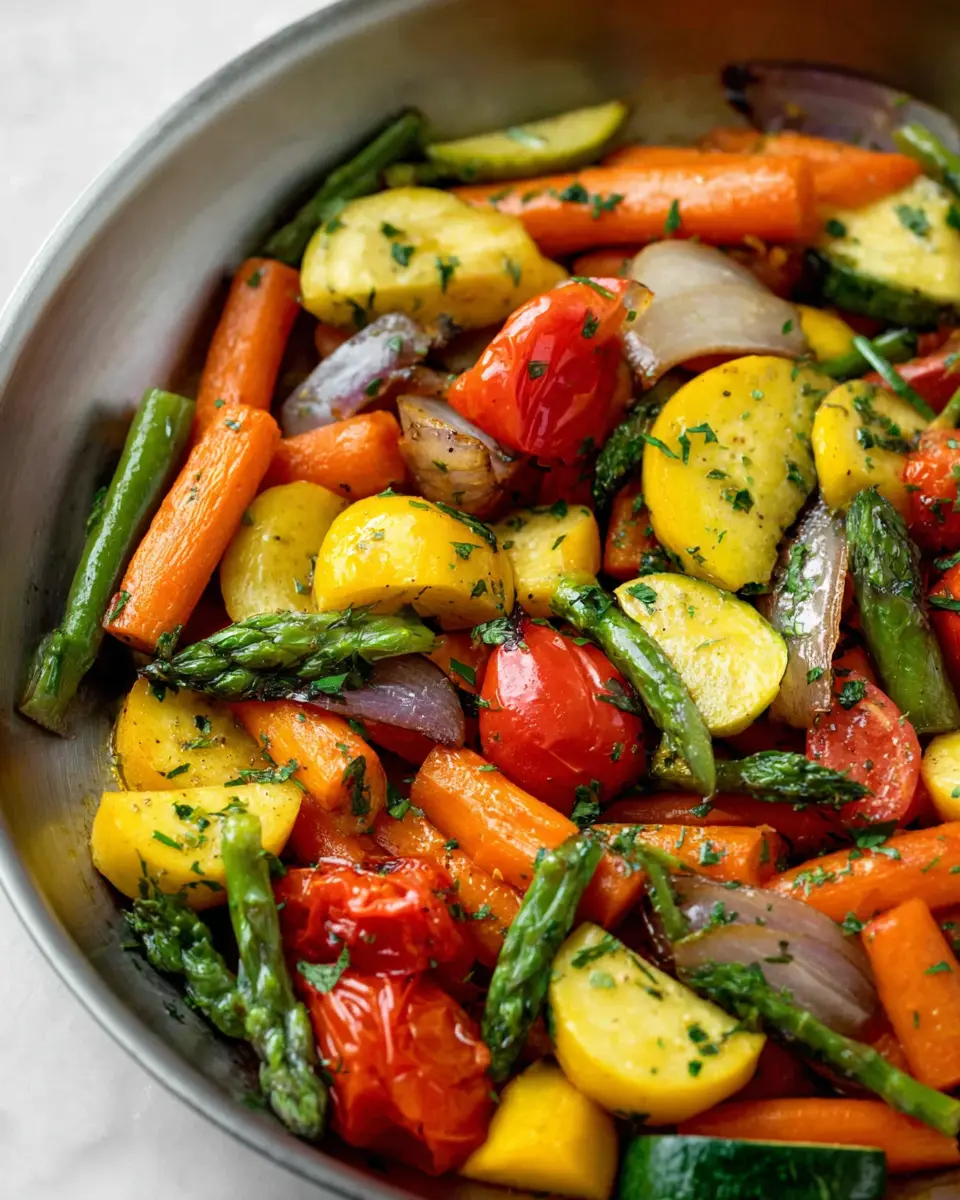
Ingredients for Simple Sautéed Vegetables
Creating the perfect simple sautéed vegetables starts with a few essential ingredients that give you a vibrant foundation. Here’s what you’ll need:
Essential Ingredients
- Carrots: Their natural sweetness adds depth.
- Zucchini: A tender texture complements well when sautéed.
- Yellow Squash: Adds a beautiful color and mild flavor.
- Red Bell Pepper: A splash of sweetness and crunch.
- Cooking Oil: For that perfect sear—olive oil or avocado oil works great!
- Dried Basil & Oregano: Classic herbs that enhance the overall flavor.
- Garlic Powder: Just a hint to elevate the taste.
- Salt and Black Pepper: Essential for seasoning.
- Butter: For a rich finish that ties all the flavors together.
Optional Ingredients for Customization
Feel free to get creative with your sautéed vegetables! Consider adding:
- Fresh Parsley: A pop of color and freshness.
- Other Veggies: Try bell peppers, mushrooms, or snap peas for variation.
- Spices: A pinch of red pepper flakes for heat or lemon zest for brightness.
These ingredients make your sautéed vegetables a versatile dish that pairs perfectly with almost any meal. For more ideas on ingredient variations, check out Cooking Light. Happy cooking!
Preparing Simple Sautéed Vegetables
Creating simple sautéed vegetables can be one of the easiest and most delightful additions to your meal. Let’s dive into how you can quickly prepare these colorful, nutritious delights.
Gather Your Fresh Vegetables
Start by heading to your local farmer’s market or grocery store and picking out your vegetables. Fresh produce makes all the difference! For this recipe, grab:
- 3 carrots
- 1 zucchini
- 1 yellow squash
- ½ red bell pepper (or a whole one if you prefer!)
When choosing vegetables, opt for those that are firm and vibrant in color; they should feel heavy for their size and have no soft spots. The intention here is to create a medley that’s not just tasty but also visually appealing.
Cut and Prep the Vegetables Like a Pro
Now that you have your fresh vegetables, it's time to prep them. Here’s a quick guide:
- Carrots: Peel and slice them into thin rounds.
- Zucchini & Yellow Squash: Cut into half-moons for a delightful texture.
- Red Bell Pepper: Slice into strips or chunks that match the size of your other veggies.
Taking the time to cut your veggies evenly ensures they cook at the same rate, preventing any from becoming too soft while others remain crunchy. Plus, it looks great on the plate!
Heat Your Skillet to the Perfect Temperature
Temperature is key when sautéing. Heat your skillet over medium-high heat until it’s hot enough to sizzle when you add oil but not so hot that it smokes. A non-stick or cast-iron skillet works best for this. Once it's ready, add one tablespoon of cooking oil—this helps create that lovely shine and flavor you’re aiming for.
Sauté the Vegetables in Stages
With your oil shimmering, it's time to add your veggies in stages. Start with the carrots, sautéing them for about 2-3 minutes until they begin to soften. It’s essential to give the denser veggies a head start.
Next, add the remaining vegetables (bell pepper, zucchini, and squash) along with seasonings like dried basil and garlic powder. Continue sautéing for another 2-3 minutes. You want them to be tender but still crisp. Remember, the goal is to enhance their natural flavors without overcooking!
Add Final Touches for Flavor
Once your vegetables are perfectly cooked, remove the skillet from the heat and add a tablespoon of butter to enrich the dish. Toss everything until the butter melts and coats all the veggies. Finally, sprinkle with salt, black pepper, and a bit of fresh parsley for that pop of flavor and color. Give it a taste—don’t hesitate to adjust the seasoning to your liking!
In just a few simple steps, you’ve turned fresh produce into a delightful dish that adds a burst of flavor to any meal. Serve your simple sautéed vegetables as a side or toss them with grains or pasta for a quick, wholesome main course. Enjoy your colorful creation!
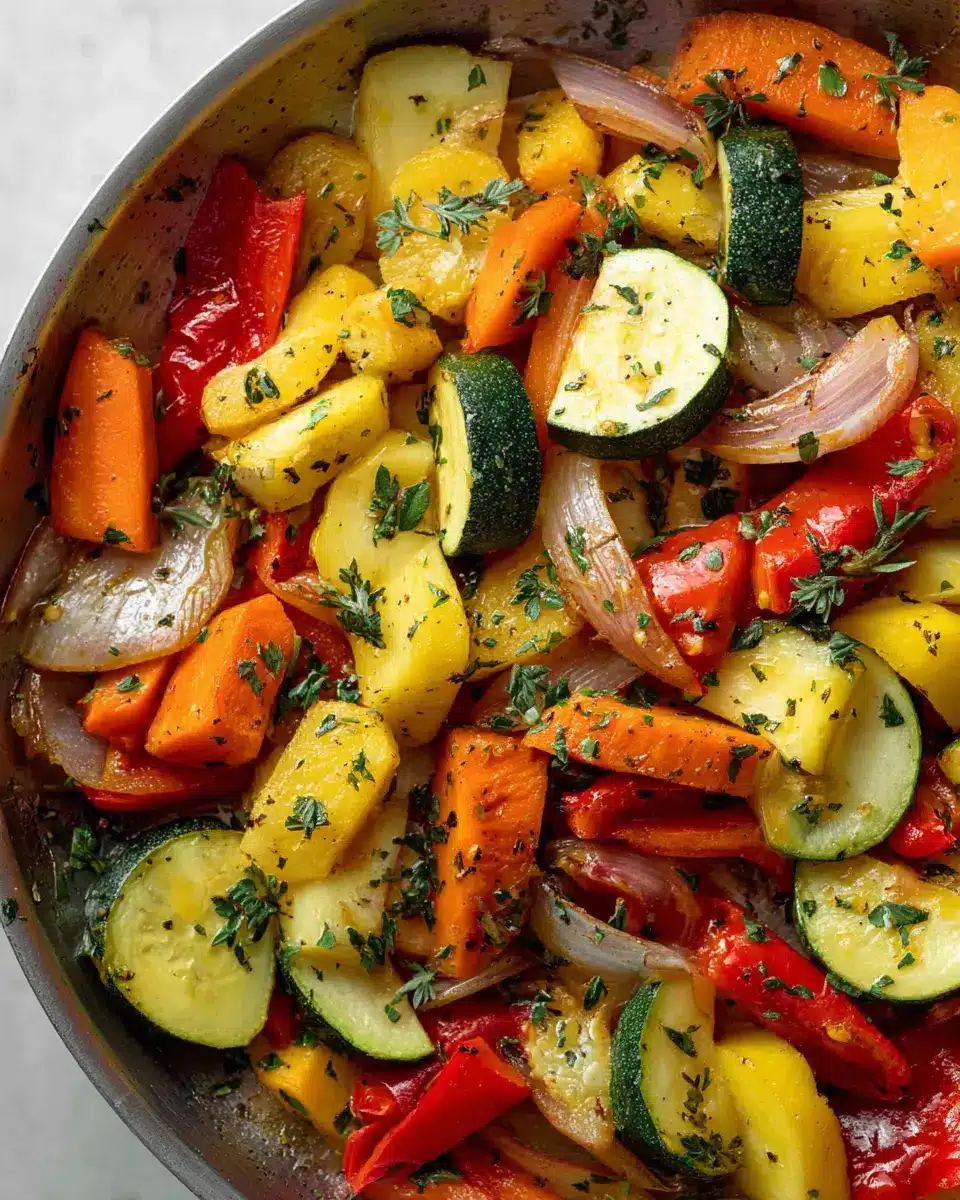
Variations on Simple Sautéed Vegetables
Seasonal Vegetable Variations
One of the best things about simple sautéed vegetables is their versatility. Depending on the season, you can mix and match your favorite veggies. In the spring, try adding asparagus and snap peas. Summer is perfect for colorful bell peppers and cherry tomatoes. For fall, think about including Brussels sprouts or root vegetables like sweet potatoes. Explore seasonal produce for more ideas and let the season guide your culinary creativity!
Adding Proteins for a Complete Meal
To turn your simple sautéed vegetables into a satisfying main dish, consider adding proteins. Throw in some shredded chicken ham or turkey bacon for a smoky flavor. Alternatively, toss in chickpeas or tofu for a vegetarian option. These additions not only make your meal heartier but also boost the nutritional value, providing essential proteins to keep you energized throughout the day. Don't hesitate to get creative—what's your favorite protein pairing?
Cooking Tips and Notes for Simple Sautéed Vegetables
Tips for Achieving the Perfect Sauté
To make your simple sautéed vegetables shine, start with a hot skillet. Preheating ensures that your veggies sear rather than steam. Use a good-quality cooking oil that can handle high heat, like olive or vegetable oil, to achieve that perfect golden-brown finish. Remember, adding vegetables in batches can also help maintain that ideal heat.
Importance of Fire and Timing
Timing is everything in sautéing! Keep your cooking time short—around 5-7 minutes total—to preserve the vibrant colors and crunchiness of your vegetables. You want them to be tender yet still firm. If you’re unsure, taste as you go. Interested in learning more about sautéing techniques? Check out this fantastic guide from Serious Eats. Happy cooking!
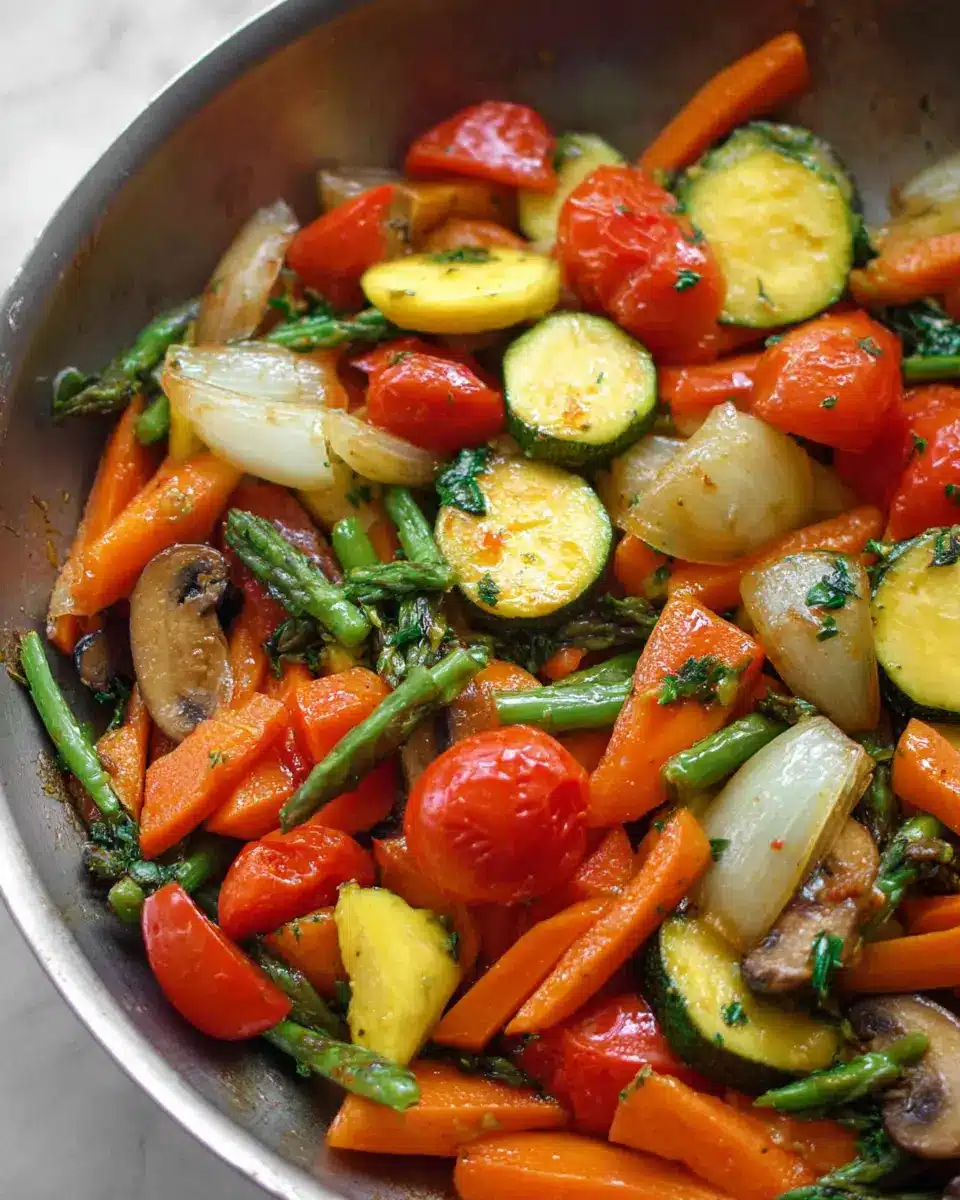
Serving suggestions for Simple Sautéed Vegetables
Pairing with Your Favorite Main Dishes
The beauty of simple sautéed vegetables lies in their versatility. They’re a fantastic side to a hearty grilled chicken breast or a delicious baked salmon fillet. If you're feeling a bit more adventurous, try them alongside some flavorful turkey bacon or chicken ham. For a plant-based option, serve these vibrant veggies with quinoa or over a bed of fluffy rice for a filling meal.
Creative Serving Ideas
Get creative with your presentation! Serve your sautéed veggies in a colorful bowl, topped with a sprinkle of fresh herbs like parsley or basil. You can also toss them into tacos or burritos for a crunchy texture. For a hearty breakfast twist, add the vegetables into an omelet or frittata. Looking for more ideas? Consider incorporating them into grain bowls or pasta dishes, adding a splash of soy sauce or balsamic vinegar for extra flavor.
For additional cooking tips, check out this guide to sautéing vegetables.
Time Breakdown for Simple Sautéed Vegetables
Prep Time
The prep for these simple sautéed vegetables takes about 10 minutes. You’ll slice up carrots, chop zucchini and yellow squash, and slice red bell peppers, all of which will set you up for a quick cooking process.
Cooking Time
Cooking these vibrant veggies only requires another 10 minutes! Just sauté them until they achieve that perfect tender-crisp texture — it’s as easy as that.
Total Time
In total, you’re looking at a quick 20 minutes from start to finish. Perfect for those nights when you need a speedy yet colorful side dish to complement your main meal!
For more cooking tips, you might enjoy checking out these quick vegetable prep hacks!
Nutritional Facts for Simple Sautéed Vegetables
Calories per Serving
Each serving of these simple sautéed vegetables packs about 102.6 calories. This makes for a healthy, guilt-free addition to your meal, allowing you to enjoy a variety of flavors without worrying about calorie overload.
Nutritional Benefits of Sautéed Vegetables
Sautéed vegetables offer a myriad of health benefits. Rich in vitamins A, C, and K, these colorful veggies support eye health, boost your immune system, and aid in bone health. The dietary fiber they provide also promotes digestive wellness. Plus, the quick cooking method helps retain nutrients while making your meals vibrant and appealing. For more on the benefits of incorporating vegetables into your diet, check out this resource from the USDA.
Embracing this dish not only elevates your culinary repertoire but also contributes positively to your overall health. Isn’t it great to enjoy something delicious that’s equally good for you?
FAQs about Simple Sautéed Vegetables
Can I use frozen vegetables instead?
Absolutely! Frozen vegetables can be a convenient and time-saving option for your simple sautéed vegetables. Just make sure to thaw and drain them first to avoid excess moisture. Sauté them over medium-high heat until heated through, adjusting the cooking time as necessary.
How can I make sautéed vegetables more flavorful?
To amp up the flavor of your simple sautéed vegetables, consider adding fresh herbs like thyme or rosemary, a splash of lemon juice, or even a sprinkle of red pepper flakes for some heat. You could also experiment with different seasoning blends or a dash of soy sauce or balsamic vinegar for an added depth of flavor.
What are the best oils to use for sautéing?
For sautéing, it's best to choose oils with a high smoke point. Options like avocado oil, canola oil, or grapeseed oil work beautifully. Olive oil is a great alternative, though it’s best used over medium heat to prevent burning.
For tips on selecting oils and flavoring options, check out The Spruce Eats for some great ideas!
Conclusion on Simple Sautéed Vegetables
In just 20 minutes, you can whip up these simple sautéed vegetables that brighten any meal. This dish isn't just easy and quick; it also provides a rainbow of nutrients, making it a perfect option for busy weeknights. Give this recipe a try, and enjoy a delightful side that complements any main course!
Simple Sautéed Vegetables
Equipment
- skillet
Ingredients
Vegetables
- 3 whole carrots
- 1 whole zucchini
- 1 whole yellow squash
- 0.5 whole red bell pepper *You can use a full pepper.
Seasonings and Oils
- 1 tablespoon cooking oil
- 0.25 teaspoon dried basil
- 0.125 teaspoon dried oregano
- 0.125 teaspoon garlic powder
- 0.125 teaspoon salt
- 0.125 teaspoon freshly cracked black pepper
Finishing Ingredients
- 1 tablespoon butter
- 1 tablespoon chopped fresh parsley (optional)
Instructions
Cooking Instructions
- Peel and slice the carrots. Chop the zucchini and yellow squash into half-rounds. Slice the bell pepper.
- Heat the skillet over medium-high. Once the skillet is very hot, add the cooking oil and swirl to coat the surface. Add the sliced carrots and sauté for about 2-3 minutes.
- Next, add the bell pepper, zucchini, squash, basil, oregano, and garlic powder. Continue to sauté for 2-3 minutes more, or just until the vegetables begin to soften.
- Once the vegetables have just begun to soften, remove the skillet from the heat. Add the butter and toss until it has melted and coated the vegetables. Season with a pinch of salt and pepper, adjusting to taste. Garnish with fresh chopped parsley just before serving.



Leave a Reply