
Introduction to Basque Cheesecake
What is Basque Cheesecake and why is it so popular?
Basque Cheesecake, also known as the Burnt Basque Cheesecake, has taken the dessert world by storm with its alluring burnt top and creamy interior. Originating from the Basque region of Spain, this unique cheesecake is a delightful blend of textures and flavors. What sets it apart from traditional cheesecakes is its higher baking temperature, which produces a caramelized crust that beautifully contrasts the rich, velvety filling inside. It’s like giving your taste buds a warm hug!
But why has this dessert become one of the most sought-after treats in recent years? Its simplicity and rustic appearance make it approachable for home bakers while still offering an air of sophistication. If you're looking for an impressive dessert that requires minimal ingredients but delivers maximum flavor, look no further!
The cheesecake's secret lies in its rich ingredients, including cream cheese and whipping cream, which create a luscious texture that melts in your mouth. And, unlike its sweeter counterparts, this Basque Cheesecake offers a subtle sweetness, allowing the creamy flavor to shine through. If you’re curious about making your own, you’re in for a treat—both in terms of baking and savoring! Explore the full recipe below to get started on this crowd-pleaser!
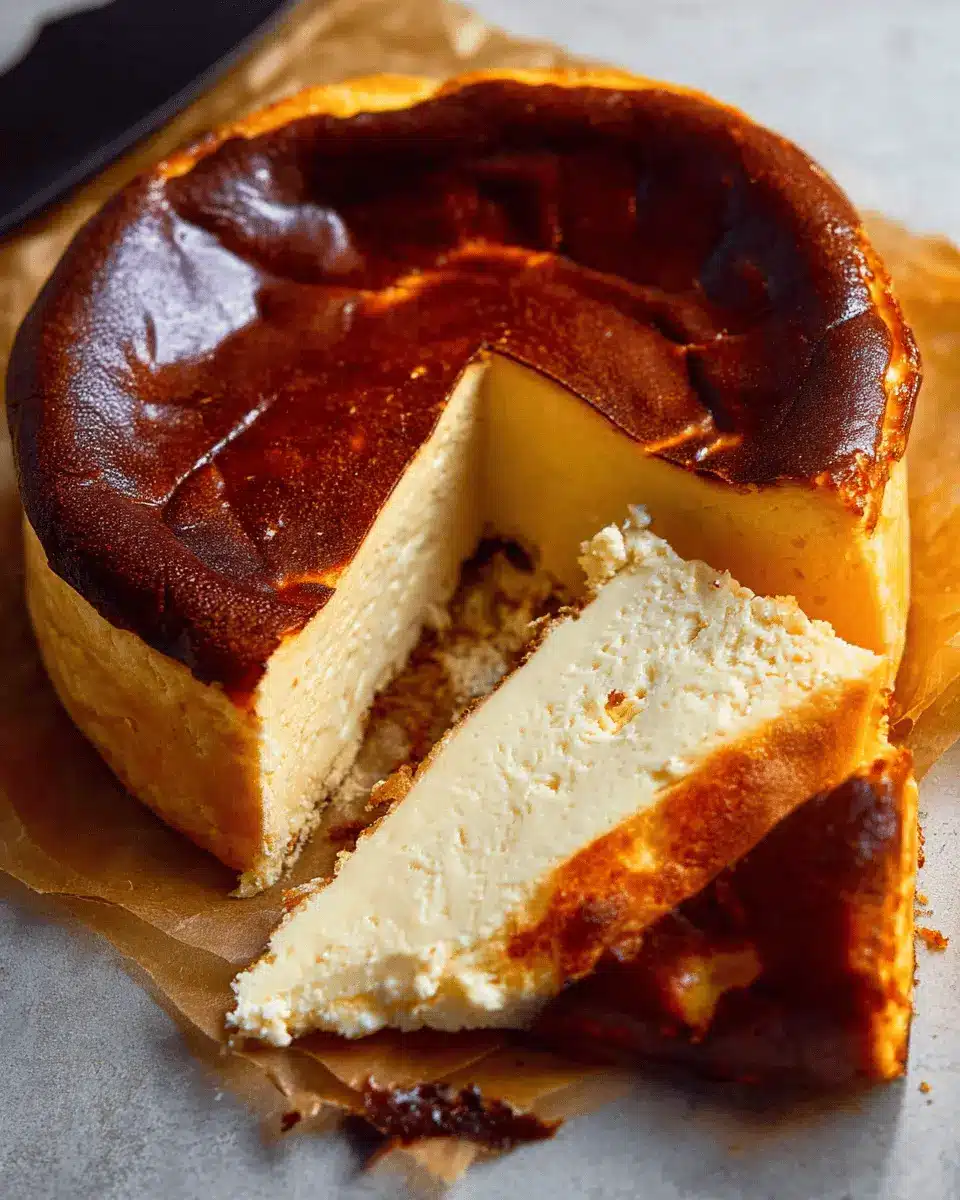
Ingredients for Basque Cheesecake
Essential Ingredients for Burnt Basque Cheesecake
To create the perfect Basque Cheesecake, you'll need a handful of essential ingredients to achieve that creamy, melt-in-your-mouth texture with a delightful caramelized top. Here's what to gather:
- 750 g (1.5 lb) cream cheese, preferably Philadelphia, at room temperature
- 1 cup caster sugar for sweetness, though regular white sugar works too
- 1 ¼ cups whipping cream, slightly warmed for easier mixing
- ¼ cup plain flour to help bind your ingredients
- 1 teaspoon vanilla bean extract for that aromatic flavor
- ¾ cup + 1 tablespoon eggs, lightly whisked and at room temperature (about 4-5 large eggs)
These basics are crucial for recreating that delightful blend of burnt edges and silky texture.
Tips on Selecting Quality Ingredients
When it comes to baking, the quality of your ingredients can significantly impact the final outcome. Here are some tips for choosing the best:
- Cream Cheese: Opt for full-fat cream cheese like Philadelphia for the best flavor and texture. Avoid low-fat versions as they won't set properly.
- Whipping Cream: Ensure it's suitable for whipping; check the label to avoid any disappointments.
- Fresh Ingredients: Always use fresh eggs, as they lend the best structure and moisture.
Investing time in selecting quality ingredients will reward you with a Basque Cheesecake that truly shines. For more inspiration, check out King Arthur Baking for tips on quality baking supplies.
Preparing Basque Cheesecake
Creating a Basque Cheesecake is not just about mixing ingredients; it's an experience that starts well before it reaches the oven. Here’s a detailed guide to help you master each step, ensuring your cheesecake will have that legendary burnt top and creamy interior.
Gather All Your Ingredients
Before diving into the process, make sure you have everything at hand. Here’s your shopping list:
- 750 g / 1.5 lb cream cheese (room temperature)
- 1 cup caster sugar (superfine is preferred)
- 1 ¼ cups whipping cream
- ¼ cup plain flour
- 1 teaspoon vanilla bean extract or paste
- ¾ cups + 1 tablespoon lightly whisked eggs (about 4-5 large eggs)
Having these ingredients ready saves you from unnecessary interruptions, allowing you to focus on creating that perfect Basque Cheesecake.
Prepare Your Baking Pan
To achieve the iconic look of your cheesecake, you'll need a 20 cm / 8-inch springform pan. Here’s how to get it ready:
- Scrunch up two strips of baking parchment (about 40 cm / 16 inches), forming an "X" at the bottom of the pan.
- Press the parchment firmly against the sides, folding it down to hold it in place. This will create those charming rustic edges typical of Basque cheesecake.
Don't worry if it looks a little messy; that’s part of its charm!
Beat the Cream Cheese to Perfection
Using a handheld electric beater or stand mixer, beat the cream cheese on medium speed for about 2 minutes. Your goal? A smooth, lump-free consistency. Scrape down the sides of the bowl as needed.
Once your cream cheese is creamy and luscious, gently add the sugar and mix on low speed for just 10 seconds. This will create a fabulous base for your cheesecake.
Combine Your Wet Ingredients
In a separate bowl, combine about ¼ of the whipping cream with the plain flour. Whisk until it forms a smooth paste. Then, gradually mix in the remaining cream, followed by the vanilla extract. This step is crucial for integrating those flavors without creating lumps, so take your time!
Mix the Batter Carefully
It’s time to marry your mixtures. While your mixer is running on low speed, slowly pour the cream mixture into the cream cheese. After it’s combined, gradually add the lightly whisked eggs. Be careful not to overbeat; stop as soon as everything is incorporated to avoid air bubbles that can spoil the surface texture.
Bake to Achieve That Signature "Burnt" Top
Pour your cheesecake batter into the prepared pan. To eliminate air bubbles, bang the pan gently on the countertop a few times. Then, bake in your preheated oven at 220°C / 425°F for about 45 minutes, but keep an eye on it! The desired outcome is a deep golden top—think caramelized perfection!
Cooling and Chilling Your Cheesecake
After baking, cool your cheesecake in the pan for at least 2 hours on the counter—it will sink a bit, and that’s normal. After that, refrigerate uncovered for a minimum of 8 hours (or overnight). This chilling process is crucial for developing that silky texture.
Once it's chilled, you're ready to release it from the pan and enjoy the delicious results of your hard work!
For more detailed instructions and visual aids, check out my favorite baking resources like Serious Eats which offers incredible baking tips!
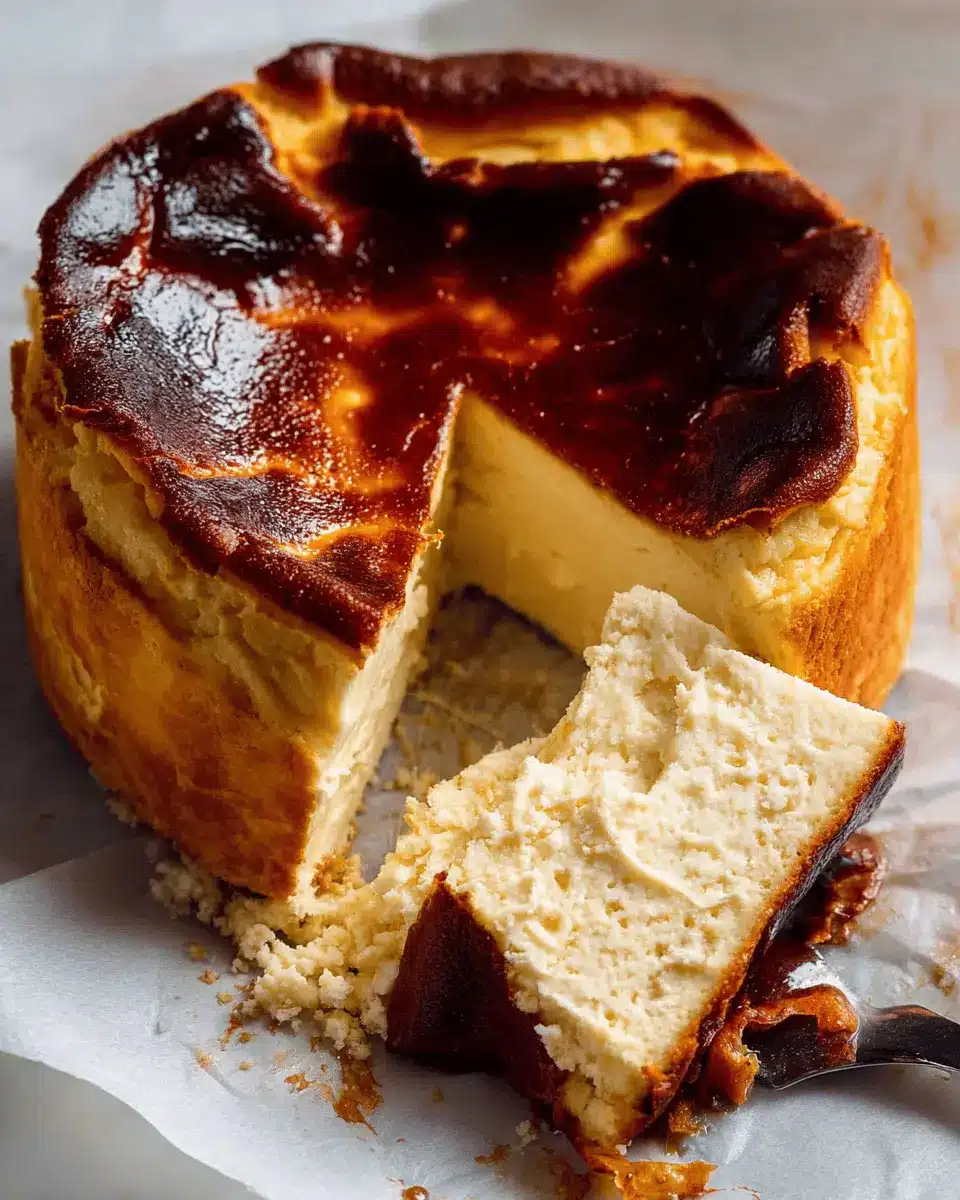
Variations on Basque Cheesecake
Adding fruit toppings for extra flavor
One delightful way to elevate your Basque Cheesecake experience is by adding fresh fruit toppings. Consider a medley of berries, like raspberries, strawberries, or blueberries, to introduce a burst of color and tangy flavor. Alternatively, sliced peaches or figs can create a more sophisticated twist. Simply toss your chosen fruit with a little sugar to enhance the sweetness, or drizzle with a homemade fruit sauce. This not only enhances the visual appeal but also balances the rich creaminess of the cheesecake with refreshing goodness.
Experimenting with different extracts
While vanilla bean extract is a classic choice, don’t hesitate to explore other flavor extracts to personalize your Basque Cheesecake. Almond, orange, or even coffee extracts can add intriguing nuances. Just remember, a little goes a long way! Start with a few drops and adjust to taste. Mixing and matching extracts can open a world of flavor possibilities, making your cheesecake uniquely yours. Want to learn more about flavor pairings? Check out resources like Epicurious for exciting ideas.
Baking Notes for Basque Cheesecake
Tips for Avoiding Common Baking Mistakes
When making your Basque Cheesecake, a few simple tips can make a big difference. First, ensure all your ingredients are at room temperature, especially the cream cheese and eggs, to achieve that smooth, creamy texture. Avoid overmixing once you add the eggs—this helps prevent air bubbles that can mar the surface. Lastly, don’t be alarmed if the cake sinks as it cools; this is perfectly normal for this style of cheesecake.
Adjustments Based on Oven Types
Baking times can vary significantly depending on your oven. If you have a gas oven, it might bake quicker than an electric one. Keep a close eye on the cheesecake for that beautiful dark golden color; it can take anywhere from 45 to 65 minutes. If you notice your cheesecake is browning too much before it’s set, consider lowering the temperature by 10-15°C (20-30°F) and extending the baking time. A little patience, and you'll get that creamy, delectable result!
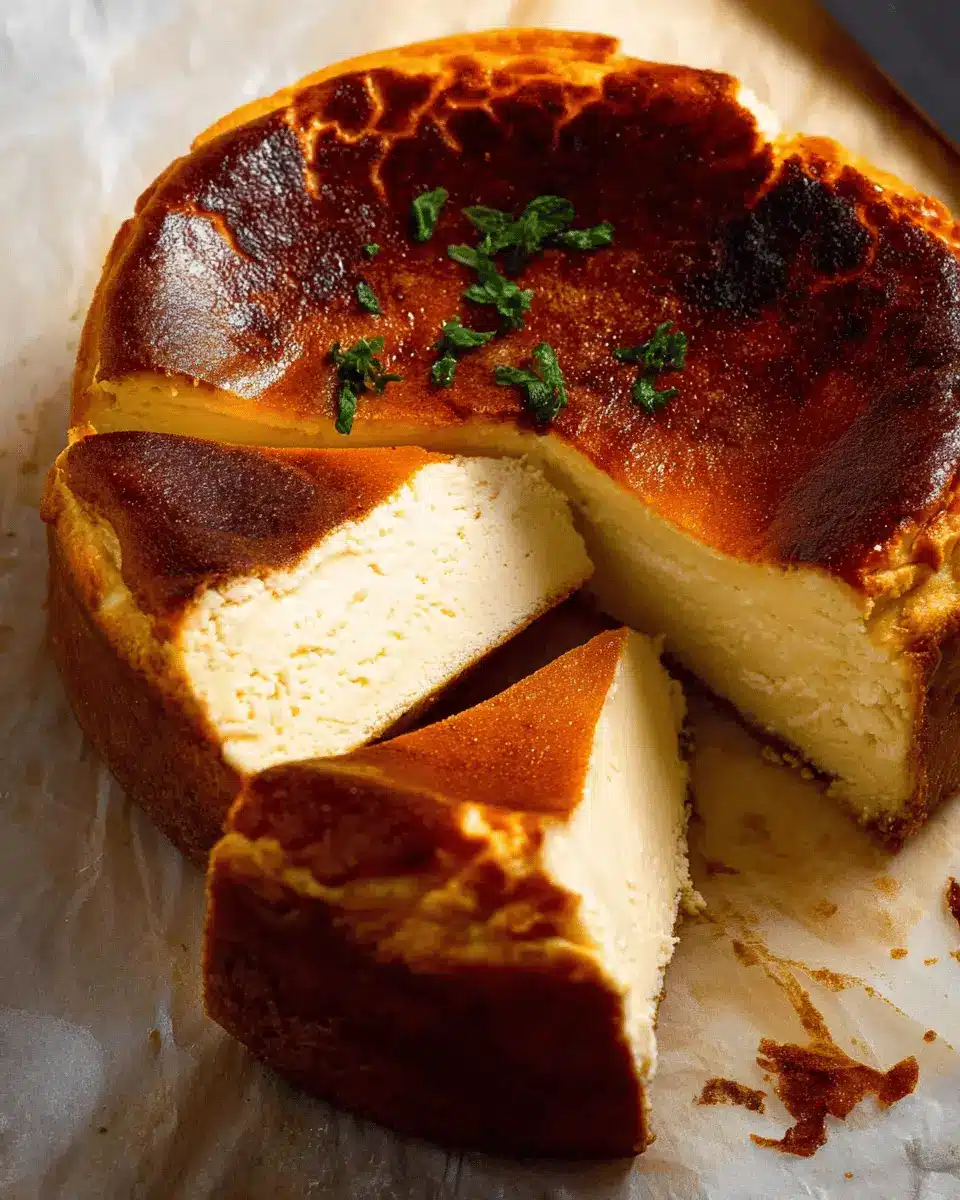
Serving suggestions for Basque Cheesecake
Presenting your cheesecake beautifully
To create a stunning presentation for your Basque Cheesecake, consider serving it straight from the springform pan with its rustic edges still intact. This not only showcases its unique, burnt top but also adds to the charm of its simplicity. For a pop of color, garnish with seasonal fruits like berries or a sprinkle of edible flowers. Using a serrated knife, cut cleanly, allowing those lovely creamy layers to shine through. Don't forget a subtle drizzle of caramel sauce for an extra touch of elegance!
Pairing options for an elevated dessert experience
Enhance your Basque Cheesecake experience by pairing it with a range of delightful accompaniments. A scoop of fresh whipped cream or a dollop of mascarpone brings a creamy, luxurious contrast. You can also serve it alongside a side of tangy berry compote to balance the richness. For a refreshing twist, try slicing some vibrant citrus fruits like oranges or grapefruits beside the cheesecake. And if you're looking for a drink pairing, a freshly brewed cup of coffee or herbal tea will complement the flavors beautifully. Explore more ideas on perfect dessert pairings at Epicurious.
Tips for Making Perfect Basque Cheesecake
Key Points to Ensure Creaminess
To achieve that delightful creaminess in your Basque Cheesecake, focus on beating the cream cheese until it's completely smooth. Use a handheld or stand mixer at medium speed, and take your time! Incorporating the ingredients slowly helps avoid air bubbles, which can affect texture. Remember to bang the pan after pouring in the batter to release any trapped air.
Importance of Ingredient Temperature
The temperature of your ingredients matters! Ensure your cream cheese and eggs are at room temperature to promote even mixing. Cold ingredients can lead to a lumpy batter and uneven baking. If you're short on time, you can warm the cream cheese slightly in the microwave—but keep an eye on it to prevent melting.
For more tips on baking, check out Joy of Baking.
Time details for Basque Cheesecake
Preparation time
Your journey to a delicious Basque Cheesecake starts with a quick 15 minutes of preparation. Gather your ingredients, preheat the oven, and get your springform pan ready. It's all about setting the stage for that wonderfully rich and creamy delight!
Baking time
Once your batter is beautifully mixed, bake your Basque Cheesecake for 45 minutes, though it may take up to 65 minutes depending on your oven. The magic happens when it turns a lovely deep golden brown on top, making each slice a feast for the eyes!
Cooling time
After baking, let your cheesecake cool on the counter for about 2 hours. Then, for the best flavor and texture, refrigerate it for a minimum of 8 hours (overnight is even better!). This chilling time lets the flavors meld beautifully, making each bite utterly irresistible.
For more baking tips, check out resources like Serious Eats or King Arthur Baking!
Nutritional Information for Basque Cheesecake
Calories per Slice
Indulging in a slice of Basque Cheesecake means treating yourself to approximately 398 calories per serving. It's a delightful union of rich flavors without being overwhelmingly sweet, making it an excellent choice for those special occasions.
Key Nutrition Highlights
This delectable cheesecake isn’t just delicious—it also packs some nutritional benefits:
- Protein: 7g
- Fat: 32g (with 19g being saturated fat)
- Carbohydrates: 23g
- Sugar: 20g
- Cholesterol: 146mg
- Calcium: 86mg
You can enjoy the creamy texture while indulging in a treat that's not only satisfying but also has key nutrients. Looking to reduce sugar? Consider serving it with fresh berries for a lighter twist! 🍓
For more insights on healthy desserts, check out Healthline for expert advice on maintaining a balanced diet.
Enjoy your baking—and remember, each slice is a taste of indulgence that merits being savored!
FAQs about Basque Cheesecake
What makes Basque cheesecake different from regular cheesecake?
Basque cheesecake stands out due to its distinct cooking method and ingredients. Unlike traditional cheesecakes, which are often baked at lower temperatures, Basque cheesecake is baked at a high heat (around 220°C/425°F), resulting in its signature burnt top that delivers a caramelized flavor. This unique surface encapsulates a creamy, custard-like interior, creating a memorable texture that's both lighter and fluffier than standard versions.
How can I store leftovers?
If you find yourself with leftover Basque cheesecake, storing it is quite simple! Just place it in an airtight container in the refrigerator. It can last for up to five days, and many aficionados claim it tastes even better after a day or two as the flavors continue to meld.
Can I freeze Basque cheesecake?
While freezing might seem like an option, it’s best to enjoy Basque cheesecake fresh. Freezing can alter its delicate texture and flavor. If you must freeze it, wrap it well to minimize ice crystal formation, but expect some changes in quality once thawed. Enjoy it fresh for the best experience!
Conclusion on Basque Cheesecake
In conclusion, the Basque Cheesecake is a delightful balance of creamy texture and rich flavor, all wrapped up in a perfectly charred exterior. Ideal for gatherings or solo indulgence, it's a simple yet impressive dessert. Try making this iconic treat; your taste buds will thank you!
Basque Cheesecake
Equipment
- Handheld electric beater
- Stand mixer with paddle attachment
- 20cm/8" springform pan
Ingredients
- 750 g cream cheese blocks room temperature (I use Philadelphia)
- 1 cup caster sugar superfine sugar (regular white sugar ok too)
- 1.25 cups whipping cream take out of fridge 15 minutes prior
- 0.25 cups plain flour all-purpose
- 1 teaspoon vanilla bean extract or paste
- 3.75 cups lightly whisked eggs at room temperature, ~4-5 large eggs
Instructions
- Preheat oven to 220°C / 425°F (200°C fan) with the shelf in the middle of the oven.
- Press 2 x 40cm/16" sheets of scrunched up baking/parchment paper arranged in an "X" into a 20cm/8" springform pan (6cm / 2.5" tall), and fold down over the rim to hold in place.
- Beat cream cheese in a large bowl on medium speed for 2 minutes, scraping down the sides as needed, until smooth and lump-free.
- Add sugar and beat on low speed for 10 seconds.
- In a medium bowl, hand whisk about ¼ of the cream with all the flour until lump free, then slowly pour in the remaining cream while whisking. Whisk in vanilla.
- Slowly pour the cream into the cream cheese bowl with the beater going on low. Then slowly pour the eggs in while the beater is still on low.
- Pour into the prepared pan. Bang the pan on the counter then pop bubbles that rise to the surface with a small sharp knife.
- Bake for 45 minutes or until the surface is a deep golden brown.
- Cool in the cake pan for at least 2 hours on the counter, then refrigerate for a minimum of 8 hours, uncovered.
- Release the sides of the springform pan. Hold excess paper overhang to lift off base onto a cutting board or plate.
- Bring to room temp for 30 minutes if time permits, though also great served chilled.
Leave a Reply