
Introduction to Hanami Dango
What is Hanami Dango and its significance?
Hanami Dango is not just a delightful treat; it embodies the essence of springtime in Japan. Traditionally enjoyed during cherry blossom season, this beautifully colored, chewy rice dumpling is often skewered in vibrant pink, white, and green hues. The name "Hanami" translates to "flower viewing," reflecting the cultural significance of celebrating fleeting beauty.
During this season, families and friends gather in parks to enjoy the breathtaking sights of blooming cherry blossoms, sharing moments filled with joy and nostalgia. Hanami Dango serves as a delicious accompaniment to these gatherings, symbolizing unity and the transient nature of life. You can find more on the significance of traditional Japanese festivals on sources like Japan National Tourism Organization.
Making Hanami Dango at home is not only straightforward but incredibly rewarding. With just a few simple ingredients—silken tofu and glutinous rice flour—you can create this iconic snack. The chewy texture, coupled with just the right amount of sweetness, makes it a satisfying dessert or snack for any time of year. Plus, it’s an opportunity to share a piece of Japanese culture with your loved ones.
Ready to learn how to make Hanami Dango yourself? Let’s dive into the recipe!
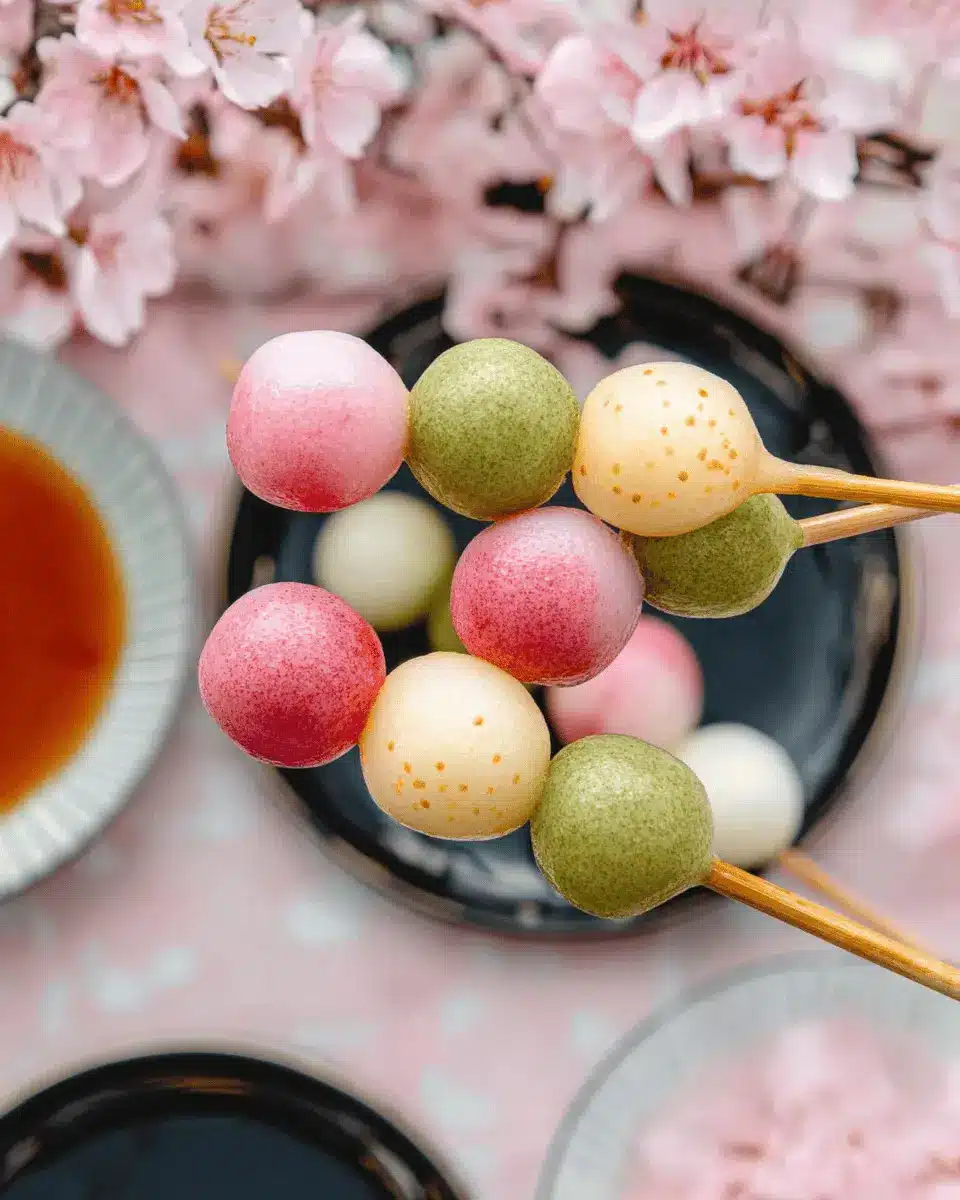
Ingredients for Hanami Dango
Essential ingredients for your dango
Creating delightful Hanami Dango at home is surprisingly simple! Here are the must-have ingredients you'll need to get started:
- Silken soft tofu (100g): This is the magical ingredient that gives your dango its chewy and tender texture.
- Glutinous rice flour (90g): Look for this specialty flour to ensure your dango has that authentic, sticky bite.
- White sugar (50g): Sweetness is key! Sugar enhances the flavor, making your dango irresistibly tasty.
- Bamboo skewer sticks (5-6): For assembly, these will hold your lovely dango together perfectly.
Optional ingredients for flavor and color
To make your Hanami Dango a bit more fun, consider adding some optional ingredients:
- Strawberry powder: A touch of this will not only give a beautiful pink hue but also a subtle fruity flavor.
- Matcha powder: For those who love green tea, adding this provides a vibrant green color along with a delightful earthiness.
Feel free to experiment! Remember, while these optional ingredients bring additional color and taste, your base dango will still shine with just the essentials. Happy cooking!
Preparing Hanami Dango
Creating Hanami Dango is a delightful experience that’s as enjoyable as it is rewarding. This traditional Japanese treat is perfect for celebrating the cherry blossom season or simply indulging your sweet tooth. Let’s dive into each step of the process to ensure you make the most of this wonderfully chewy and tender dessert.
Gather your ingredients
Before you begin, make sure you have everything you need. The ingredients for Hanami Dango are simple yet essential for achieving that perfect texture and flavor:
- ½ block of silken soft tofu (100g)
- ¾ cup glutinous rice flour (90g)
- ¼ cup white sugar (50g)
- ¼ teaspoon strawberry powder (optional)
- ¼ teaspoon matcha powder (optional)
- 5-6 bamboo skewer sticks
Having these on hand will streamline your cooking process and keep things enjoyable.
Mix the dough
Start by combining your three main ingredients: the silken tofu, glutinous rice flour, and sugar. Place them in a large mixing bowl and use your hands to mix everything together. You want to create a cohesive dough by kneading it until it’s smooth and supple. This part is quite tactile—feel free to embrace the mess!
Color the dough
Once your dough is ready, it’s time to bring some vibrancy into your Hanami Dango. Divide the dough into three equal portions. Sift the strawberry powder into one portion and matcha powder into another. Knead each portion until the colors are vibrant and evenly mixed. This step not only beautifies the dango but adds a subtle flavor to each ball!
Shape the dango balls
Next, divide each colored dough portion into small balls weighing about 14-15 grams each. This should yield around 5-6 balls per skewer. Feel free to make them smaller or larger, depending on your preference. Just remember that uniform sizing helps with even cooking!
Boil the dango balls
Bring a pot of water to a rolling boil and gently add the dango balls in batches. The moment they float to the top, it’s a sign that they’re done! Use a strainer ladle to scoop them out and immediately plunge the dango into a bowl of ice-cold water. This halts the cooking process, keeping your treats perfectly chewy.
Assemble your skewers
Lastly, it’s time to get creative with your presentation. Thread one green, one white, and one pink dango ball onto each skewer. You can repeat the pattern until your skewer is filled. When you’re done, you’ll have a beautiful display of Hanami Dango, ready to impress your friends or light up your own dessert table!
Enjoy the delightful process of creating Hanami Dango as much as you’ll enjoy eating it! Each bite is a reminder of springtime beauty, perfect for any occasion.
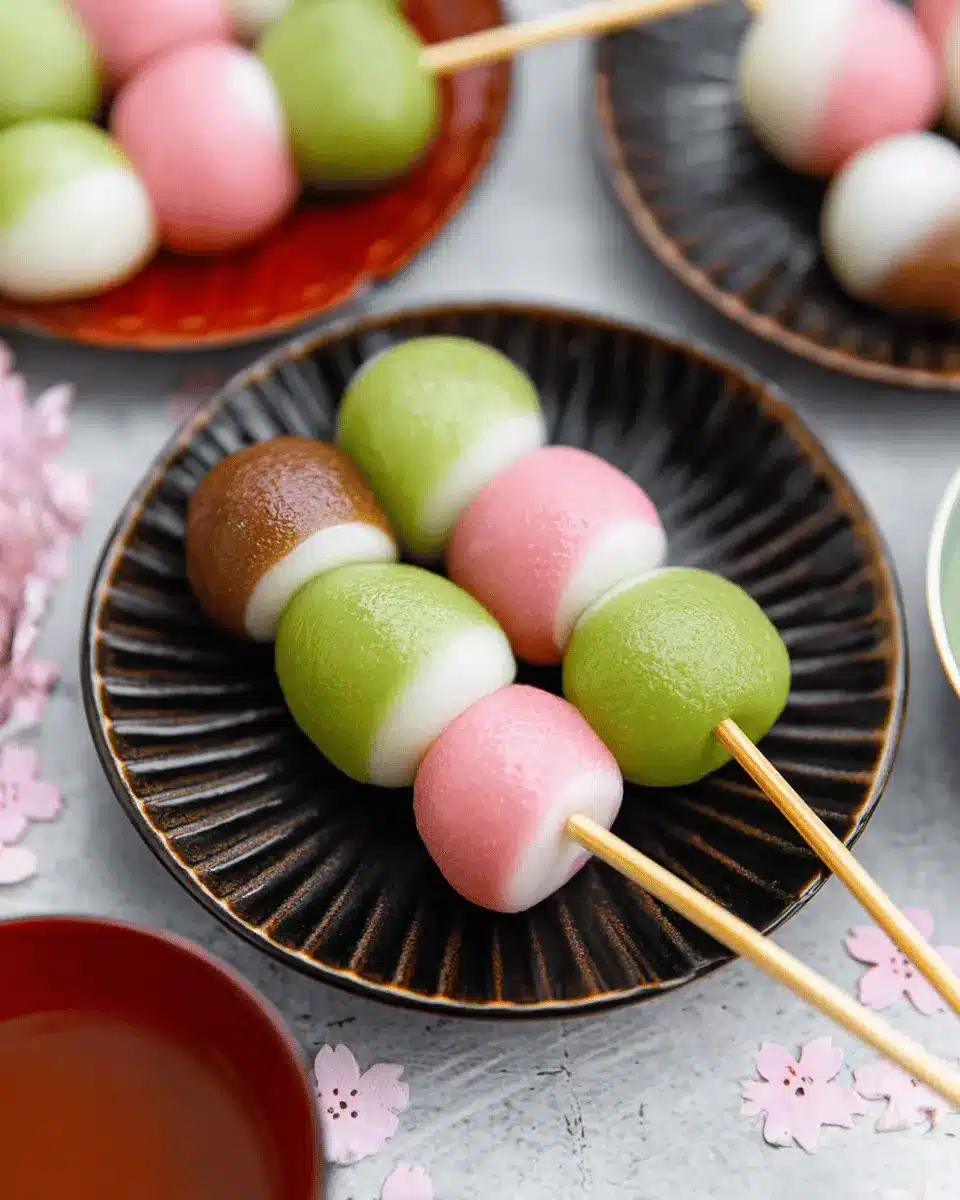
Variations on Hanami Dango
Fruit-flavored Dango Options
While classic Hanami Dango is delightful, experimenting with fruit flavors can elevate your experience. Consider adding natural fruit extracts or purées—like peach, raspberry, or even yuzu—to craft vibrant colors and unique tastes. When mixing in fruit, it’s best to adjust the sugar levels accordingly. These fruity variations not only look stunning but also offer a fresh twist for those who love a burst of flavor.
Vegan Adaptations for Hanami Dango
If you're looking for vegan adaptations of Hanami Dango, rejoice! The original recipe already uses silken tofu instead of traditional dairy, making it inherently plant-based. To keep it vegan, you can also replace white sugar with coconut sugar or maple syrup. Additionally, use natural food colorings derived from fruits and vegetables if you want to add some flair without any animal products. This way, you can enjoy a guilt-free treat during cherry blossom season.
For more plant-based dessert ideas, you can check out Vegan Green Kitchen for inspiration.
Cooking Tips and Notes for Hanami Dango
What to Watch for While Cooking
When preparing Hanami Dango, keep an eye on the boiling water. Once your dango balls float to the surface, it's time to scoop them out. Overcooking can turn them too soft, so act quickly! Using a strainer ladle helps in minimizing breakage during this process.
Tips for Better Texture
For a delightful chewy texture, make sure to knead the dough thoroughly until it's smooth and pliable. The quality of your glutinous rice flour is also key; higher-quality brands yield better results. If you prefer a colorful twist, consider adding natural food dyes instead of the powders. This not only enhances the aesthetics but also keeps it simple and fun!
For more dango inspiration, check out Just One Cookbook, which offers fantastic insights into Japanese desserts!
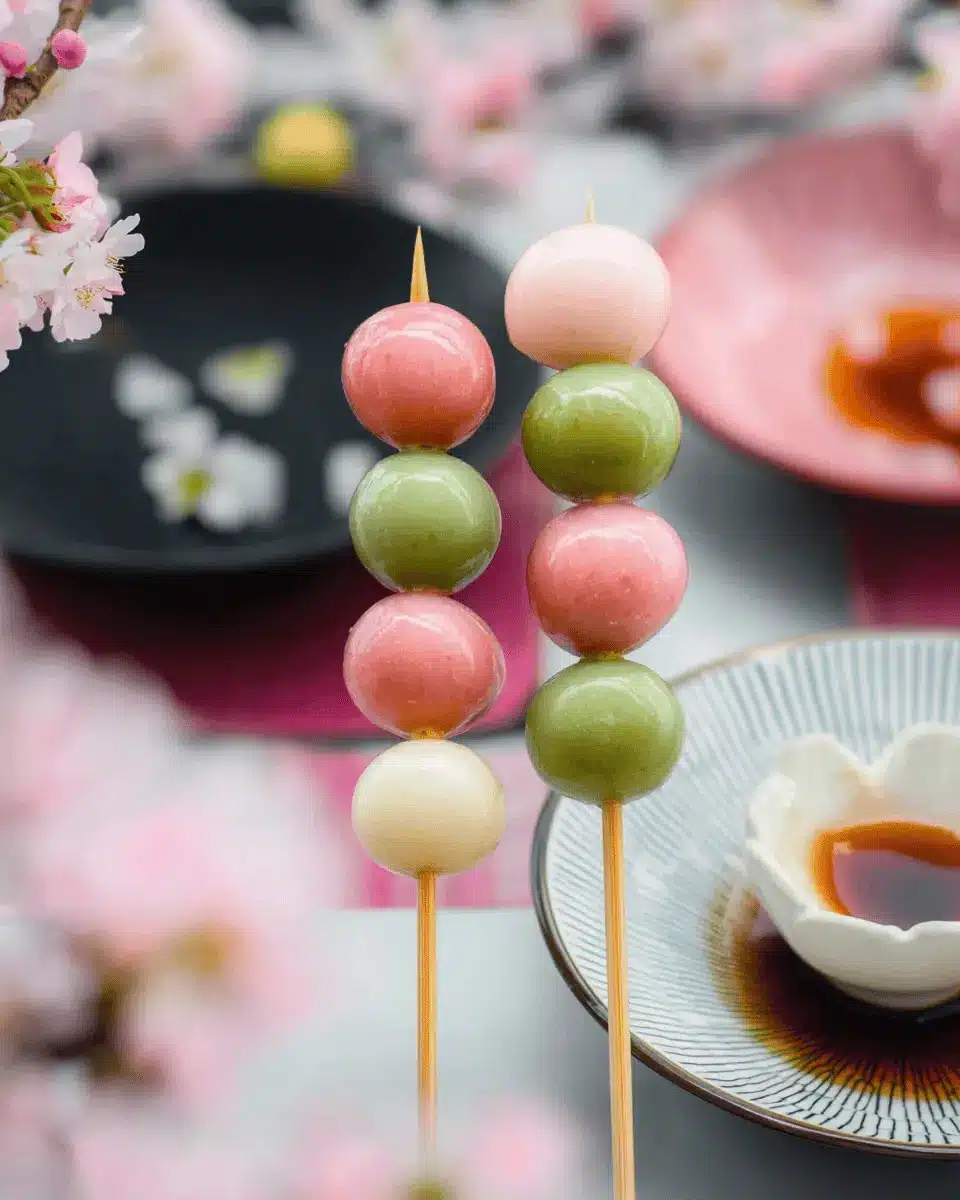
Serving suggestions for Hanami Dango
Perfect pairings for your dango
Hanami Dango pairs beautifully with a variety of beverages and snacks. Consider serving it alongside:
- Green tea: Its earthy notes complement the dango's sweetness.
- Matcha latte: The creamy texture balances the chewy dango.
- Fruit platter: Mix with seasonal fruits like strawberries or peaches for a refreshing contrast.
Creative serving ideas
Elevate your Hanami Dango presentation with these fun ideas:
- Decorative skewers: Use colorful, themed skewers to enhance the visual appeal.
- Dessert charcuterie board: Arrange with other treats like mochi or Japanese candies for a delightful spread.
- Layered parfait: Chop the dango and layer it with yogurt and fruit for a twist.
These suggestions not only enhance the dango experience but also bring joy to any gathering. How will you serve your Hanami Dango this season?
Time breakdown for Hanami Dango
Preparation Time: 10 minutes
Getting everything ready for your Hanami Dango is a breeze! Just gather your ingredients and mix them in a bowl for a delightful dough.
Cooking Time: 10 minutes
Cooking the dango balls is quick and straightforward. Simply boil them until they float to the surface, indicating they're ready to enjoy!
Total Time: 20 minutes
In just 20 minutes, you can whip up a beautiful batch of Hanami Dango, perfect for your next spring gathering or sweet treat craving!
For helpful tips on mastering this delightful Japanese dessert, check out additional resources like Just One Cookbook.
Nutritional Facts for Hanami Dango
When savoring Hanami Dango, it's important to understand its nutritional profile. Each skewer contains approximately:
- Calories per skewer: 108 calories, making it a delightful treat without excessive guilt.
- Sugar content: Each serving has about 8.2g of sugar, providing a sweet touch to your experience.
- Protein details: With around 2.2g of protein, these chewy dumplings offer a small boost to your daily intake.
These delightful dumplings are not just tasty; they're a fun and colorful addition to any dessert table. If you're looking for more health-focused dessert options, check out Healthline for tips on balancing your sweet tooth!
FAQs about Hanami Dango
Can I freeze Hanami Dango?
Absolutely! You can freeze Hanami Dango for a delightful treat later. Just make sure to let the dango cool completely before placing them in an airtight container or freezer bag. They can be stored for up to a month. When you're ready to enjoy them, simply thaw in the refrigerator, and enjoy them at room temperature or re-steam them briefly for that fresh taste!
What can I serve with Hanami Dango?
Hanami Dango pairs wonderfully with a variety of accompaniments! Consider serving it with:
- A cup of matcha tea to enhance the Japanese experience.
- Sweet red bean paste (anko) for a creamy contrast.
- Fresh fruits like strawberries or cherries for a refreshing side.
These pairings not only brighten up your presentation but also create a delightful balance of flavors.
Are there gluten-free alternatives?
While traditional Hanami Dango uses glutinous rice flour, you can explore gluten-free options! Some substitutes include:
- Sweet rice flour (mochi flour) as it’s naturally gluten-free.
- A blend of gluten-free all-purpose flour combined with tapioca starch for extra chewiness.
Experimenting with these substitutes can lead you to your perfect Hanami Dango creation!
Conclusion on Hanami Dango
In conclusion, Hanami Dango is not only a delightful Japanese treat but also a fun and easy recipe to try at home. Perfectly chewy and subtly sweet, each skewer showcases beautiful pastel colors and flavors. Celebrate spring with this delicious dessert and impress your friends at your next gathering!
Hanami Dango | 花見団子
Equipment
- large bowl
- strainer ladle
- Pot
Ingredients
- 100 g silken soft tofu ½ block
- 90 g glutinous rice flour ¾ cup
- 50 g white sugar ¼ cup
- 0.25 teaspoon strawberry powder optional
- 0.25 teaspoon matcha powder optional
- 5-6 sticks bamboo skewer
Instructions
- Weigh the rice flour, silken tofu, and sugar and then add them into a large bowl. Mix well using your hands until a dough forms.
- Divide the dough into three equal parts.
- Sift in the strawberry powder into one portion of the dough and knead until it forms a uniform pink color.
- Sift in the matcha powder into another portion of the dough and knead well until it turns green.
- Divide each ball of dough into 5-6 balls, weighing each to be around 14-15 grams each, yielding 5 skewers.
- Bring a pot of water to a boil and add in the dango balls. Remove them when they rise to the top and place them into ice-cold water to stop cooking.
- Add one green dango ball onto a skewer, followed by one white and one pink dango ball. Repeat for all 5-6 skewers.




Leave a Reply